|
-
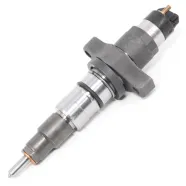
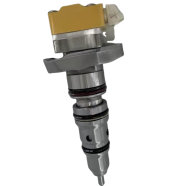
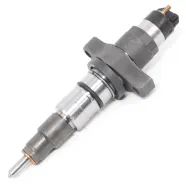
The fuel injector is a precision component with extremely high processing accuracy, which requires a wide dynamic flow range, strong anti-clogging and anti-pollution capabilities, as well as good atomization performance. The fuel injector receives the fuel injection pulse signal sent by the ECU and precisely controls the fuel injection volume.
-
Electronic fuel injection technology has evolved from the initial position-controlled type to the time-controlled type, and the common rail electronic fuel injection equipment technology precisely belongs to the latter. The common rail electronic control system uses various related sensors to collect and transmit the operating status parameters of the diesel engine to the controller (ECU), and the ECU, according to the purpose. The set values calculate the fuel injection volume, fuel injection pressure, fuel injection timing and fuel injection rate, and then issue instructions to the actuator to drive it to operate, keeping the diesel engine in the best condition.
-
The electronic control unit receives real-time operating condition information detected by crankshaft speed sensors, coolant temperature sensors, air flow sensors, accelerator pedal position sensors, needle valve travel sensors, etc., and then, based on the control programs and parameters or spectra pre-set and stored inside the ECU
-
[1] Fuel Supply System 1. The composition of the fuel supply system mainly consists of fuel supply pumps, common rails, fuel injectors, etc. [1] Fuel supply pump (high-pressure fuel pump) - Generates high pressure from fuel and supplies it to the common rail.
|
|